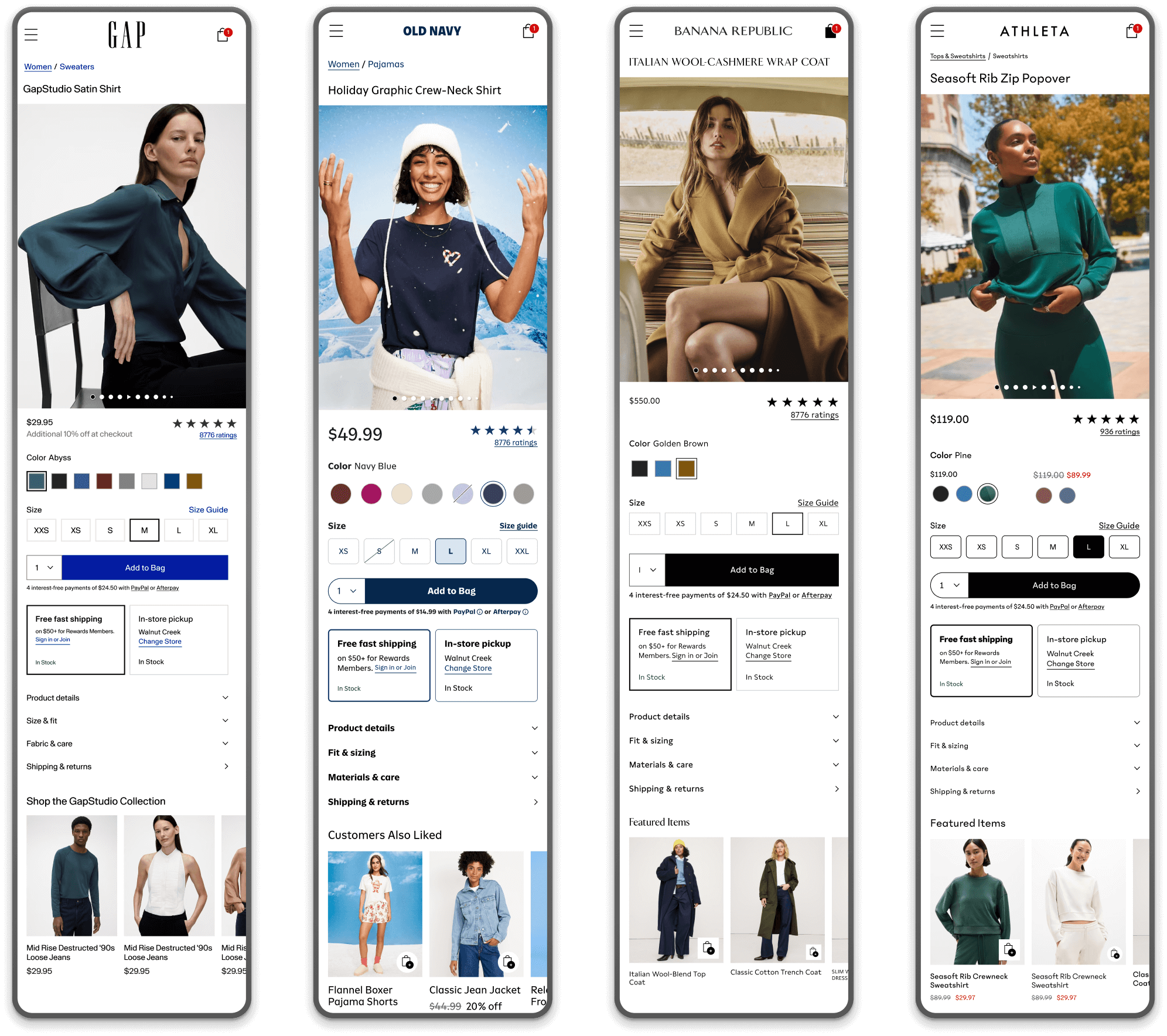
Gap Inc. operates four iconic brands on a shared shopping platform, but over time each brand evolved its own design patterns. This fragmentation created inconsistent customer experiences at the Product Detail Page (PDP) which is the most conversion-critical moment of the customer journey.
I helped define and scale a foundational PDP design system to enable cross-brand theming across multiple product areas.

Case
The Challenge
Design patterns were built independently by each brand, resulting in inconsistent user experiences and duplicative accessibility and engineering effort.
My Role
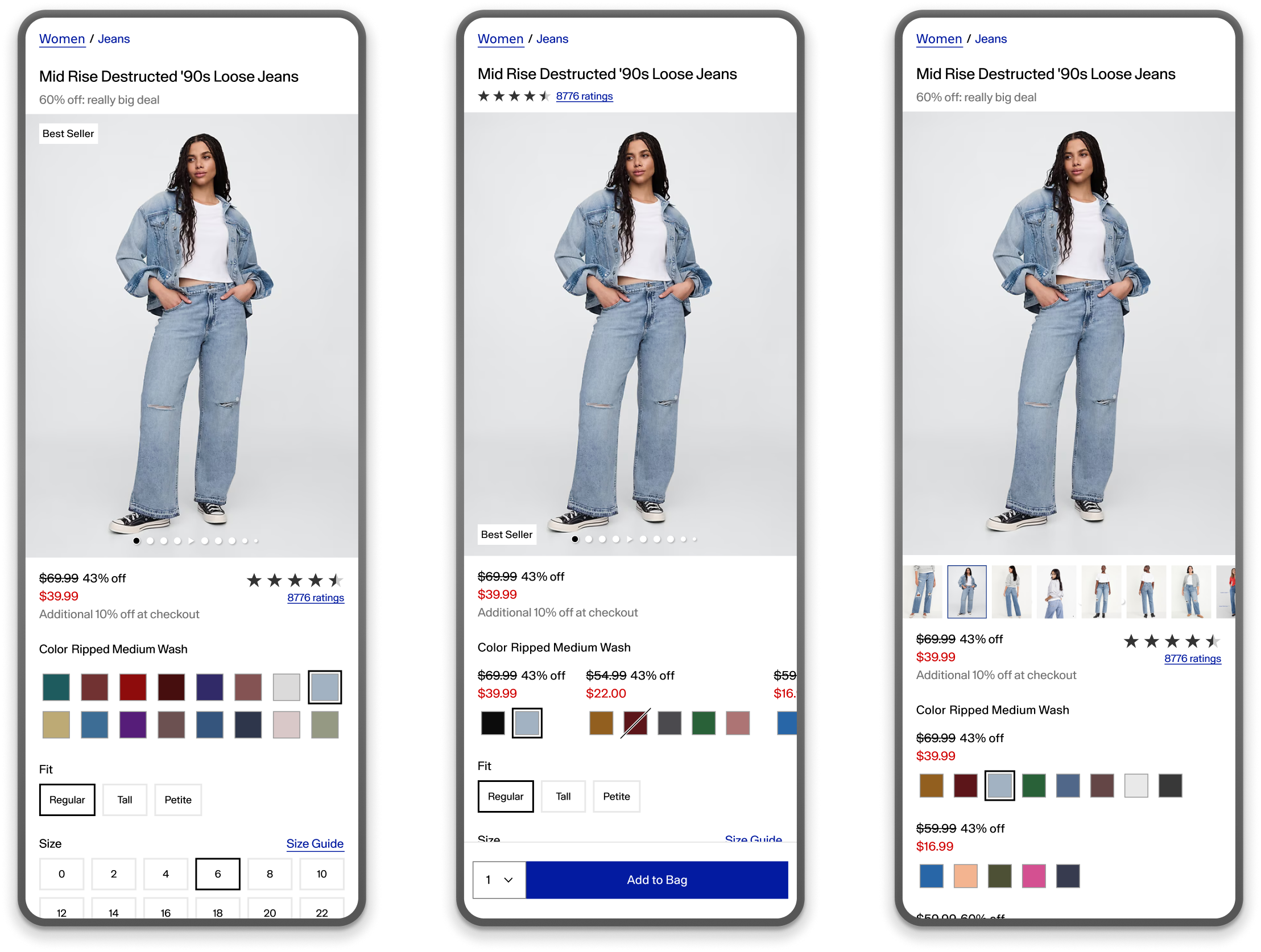
Design Iteration and Research
We validated iterations through a mix of A/B testing, user feedback, & behavioral analytics. Research confirmed direction, surfaced benchmark gaps, & guided incremental improvements grounded in real customer feedback.
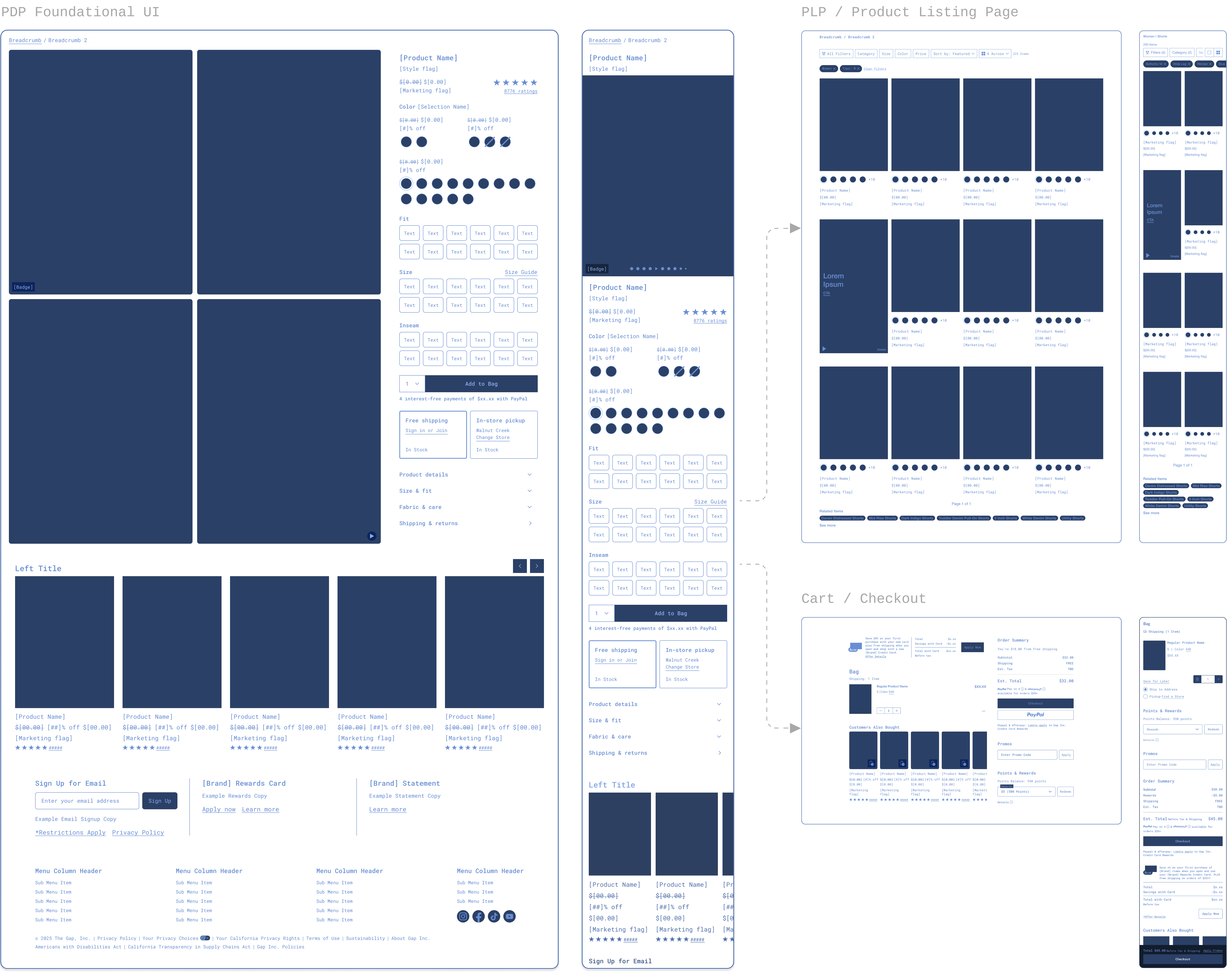
Foundational Product Detail Page
The PDP system became the foundational UI for adjacent products including product listing pages, account management & cart/checkout for a cohesive shopping experience. Over 300+ shared components were defined for usability improvements
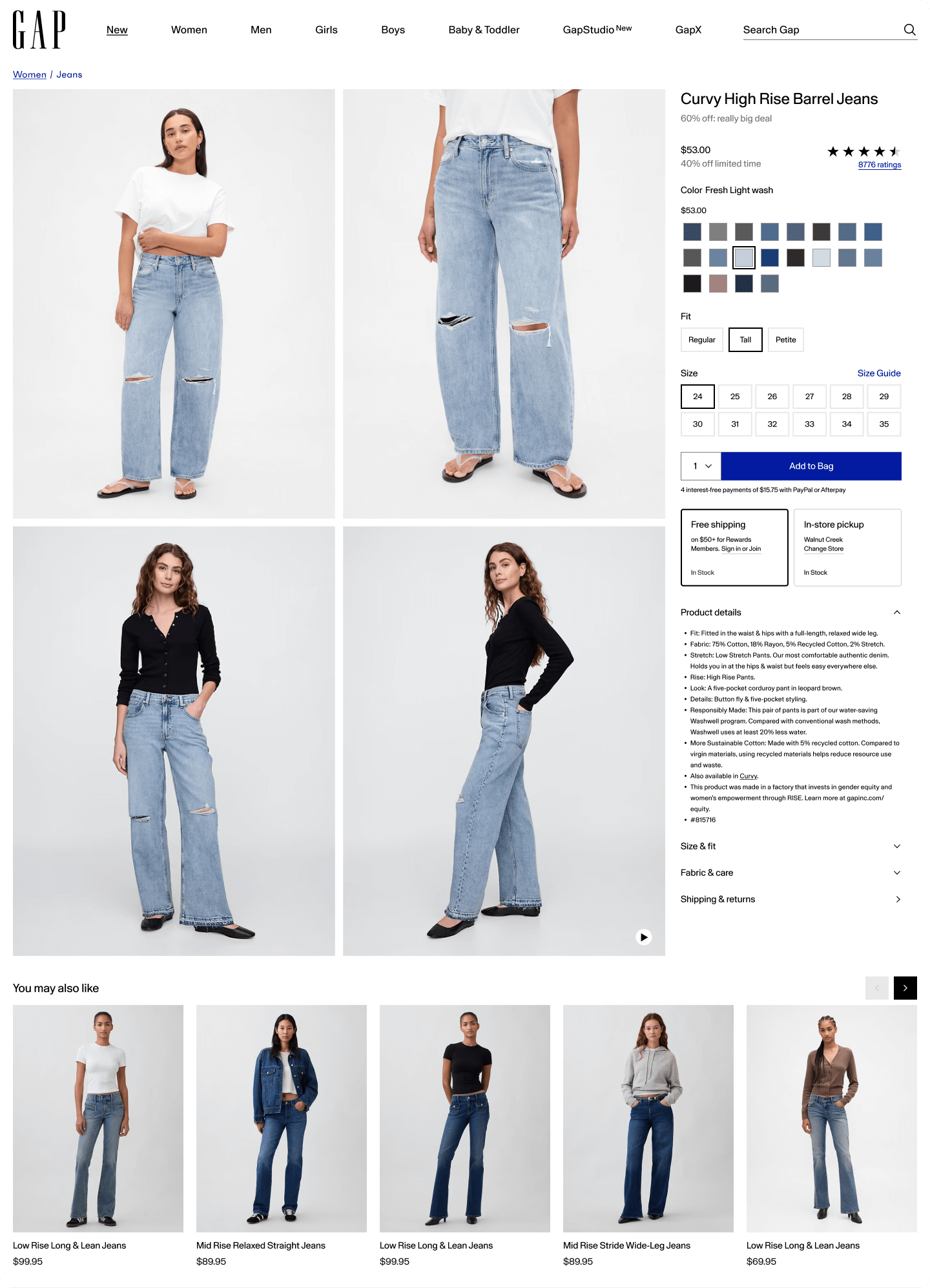
Gap
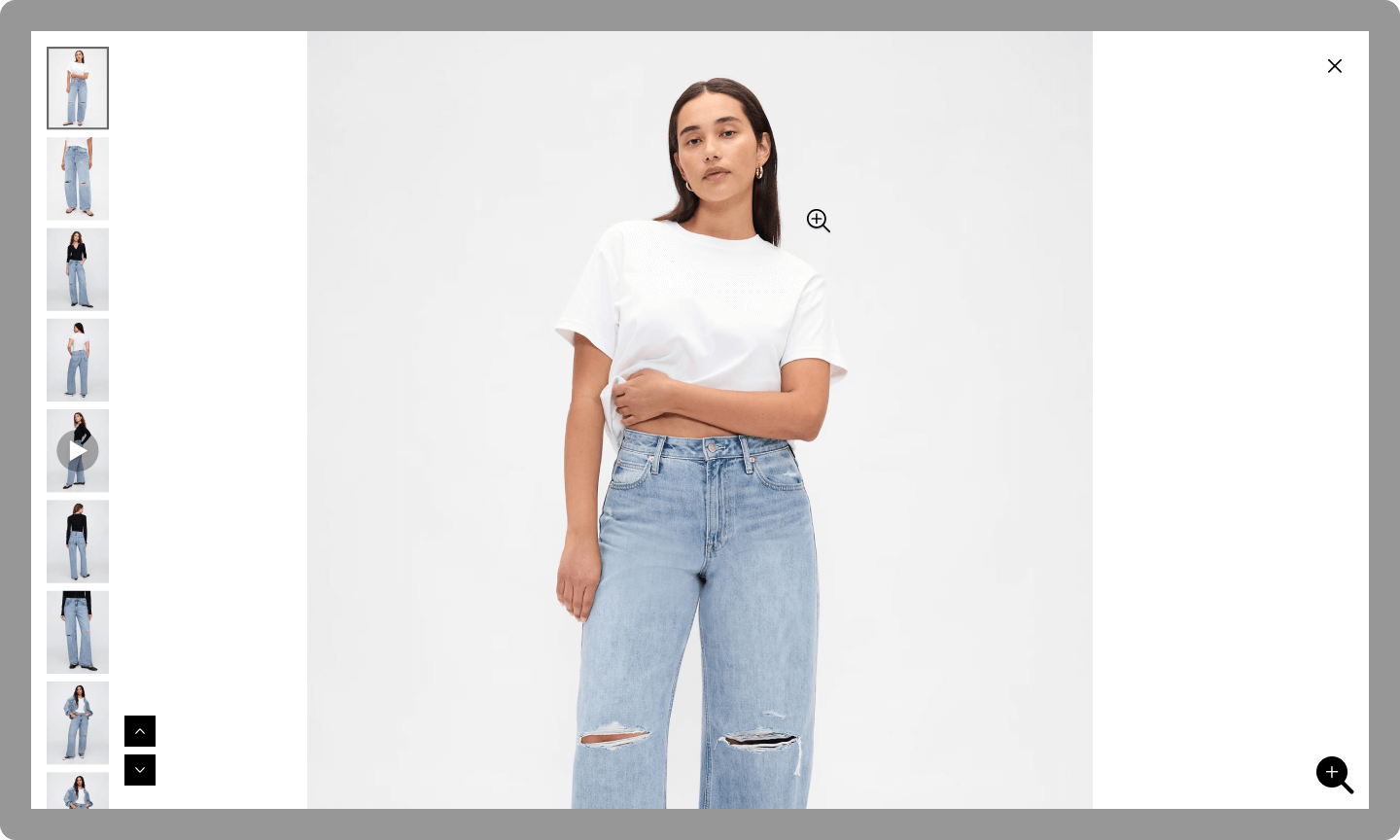
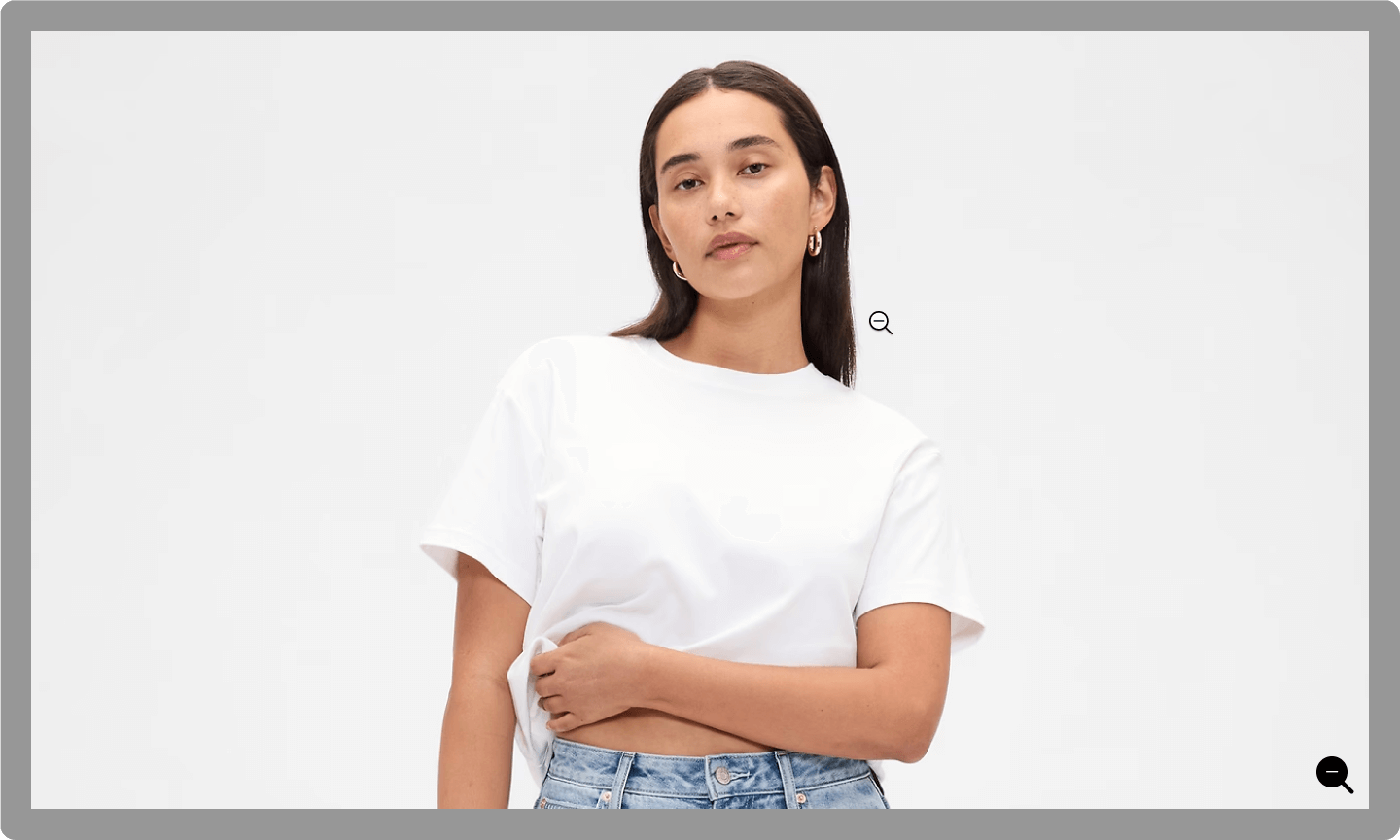
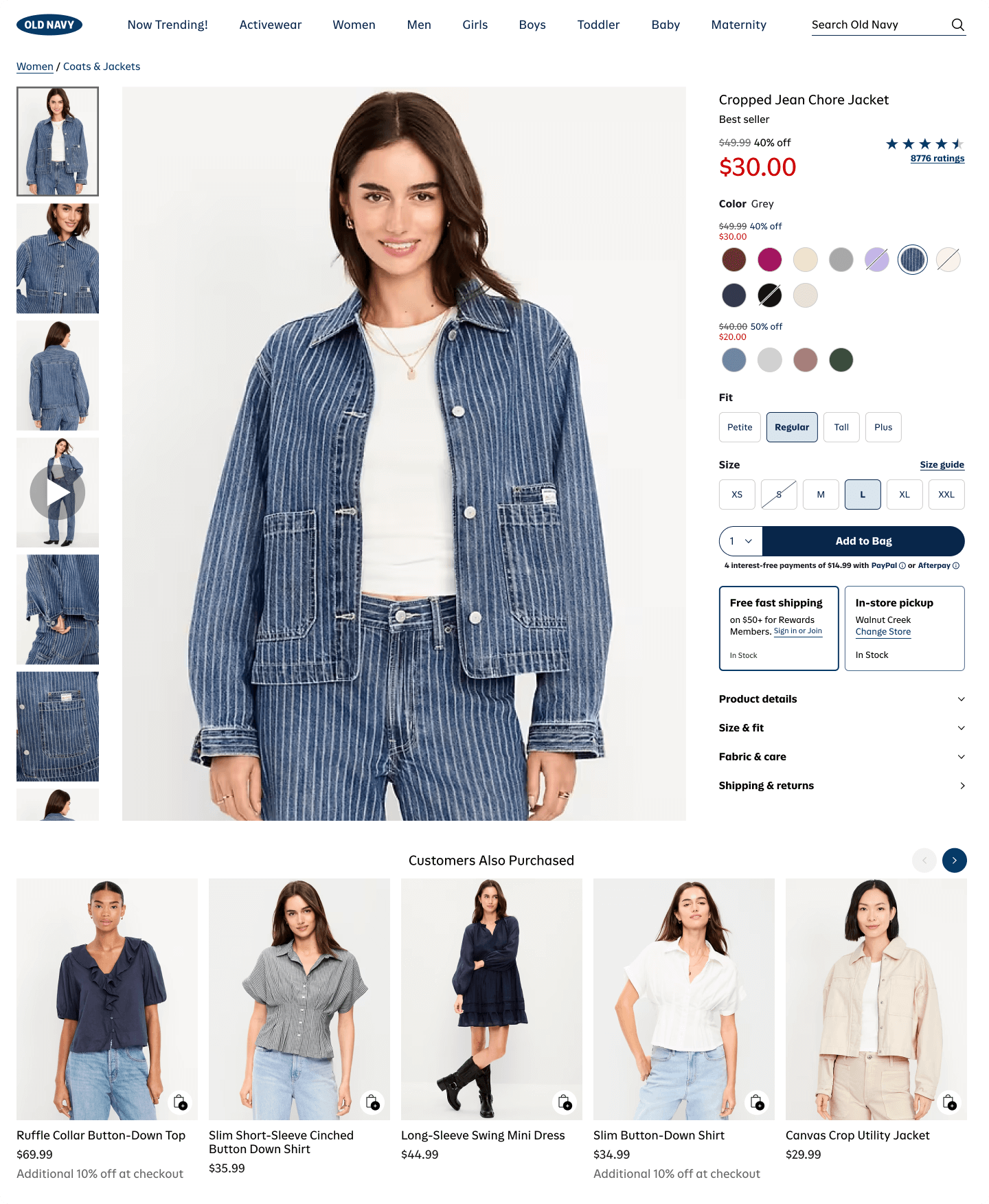
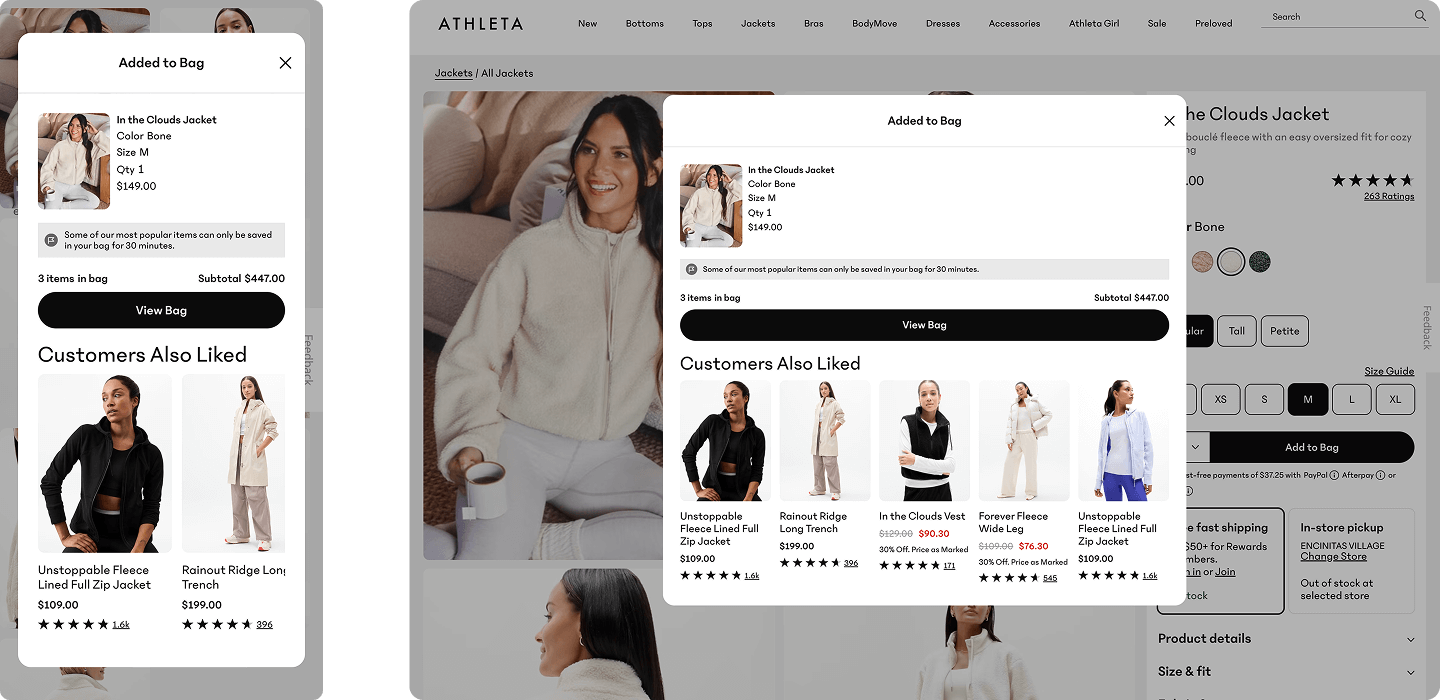
Redesigned the image gallery with functionality standards to support easier product analysis and engagement. Product recommendations were built to provide more relevant items for discovery and customization for brands to show marketing and product informaiton.
Banana Republic
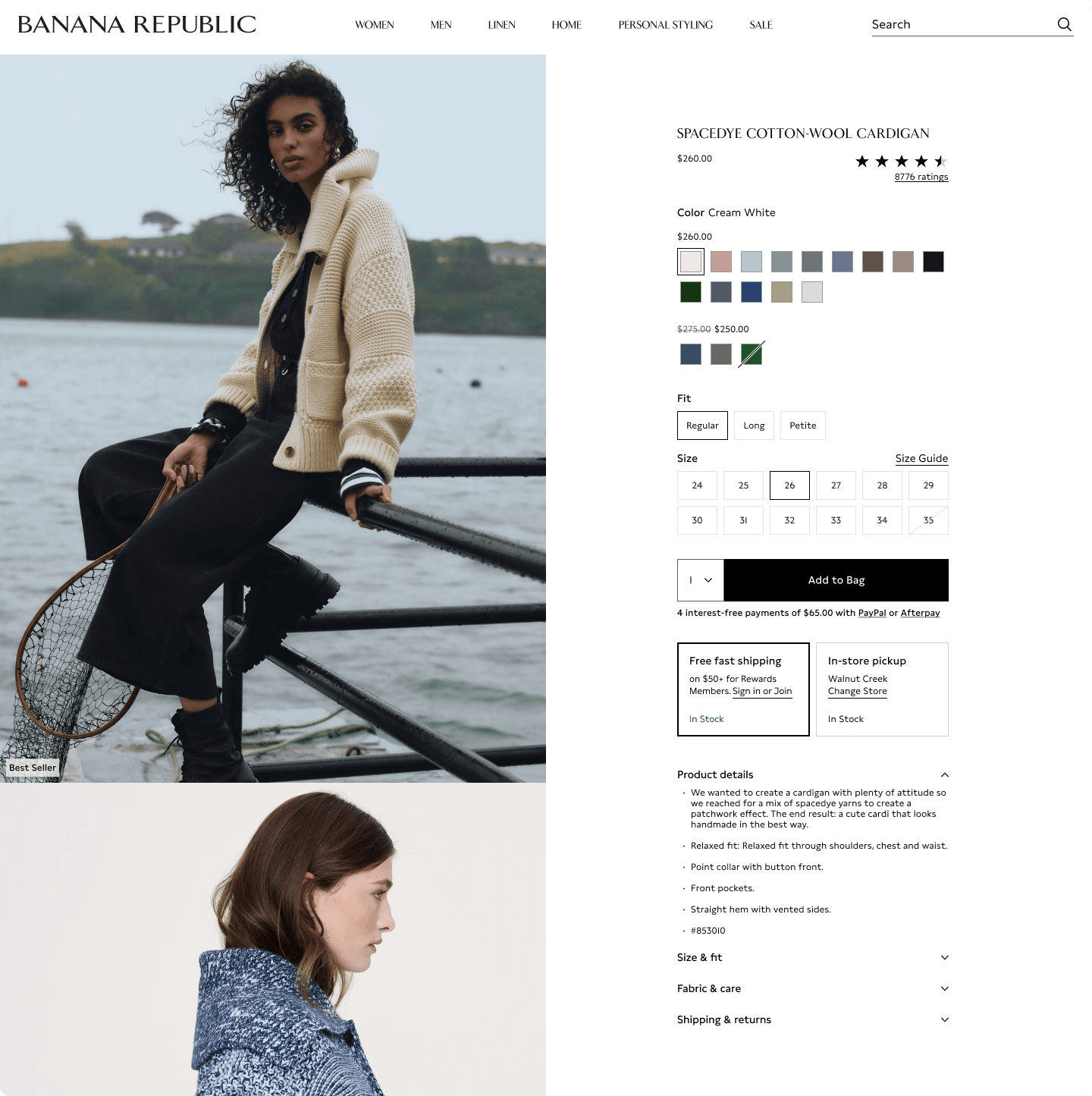
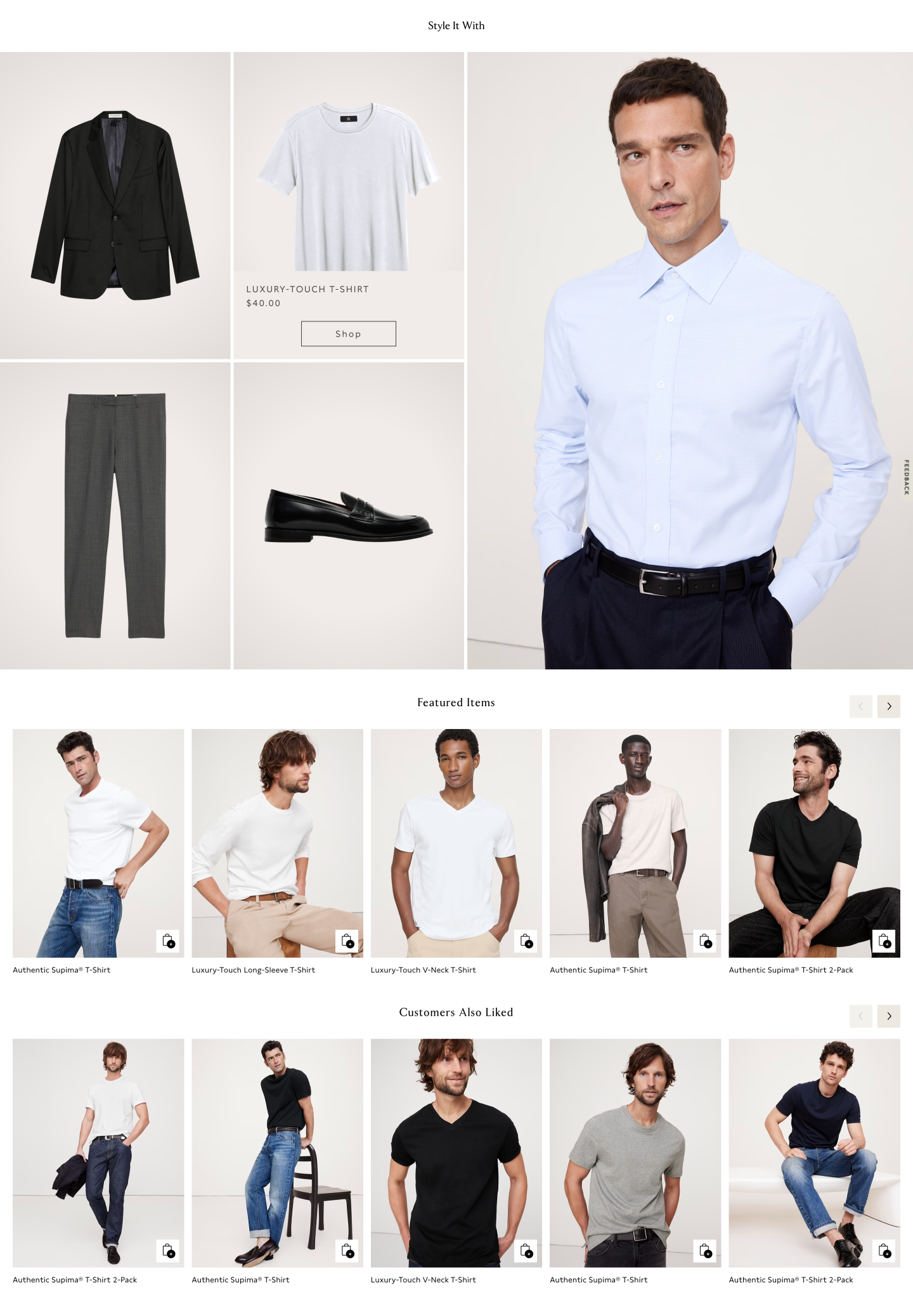
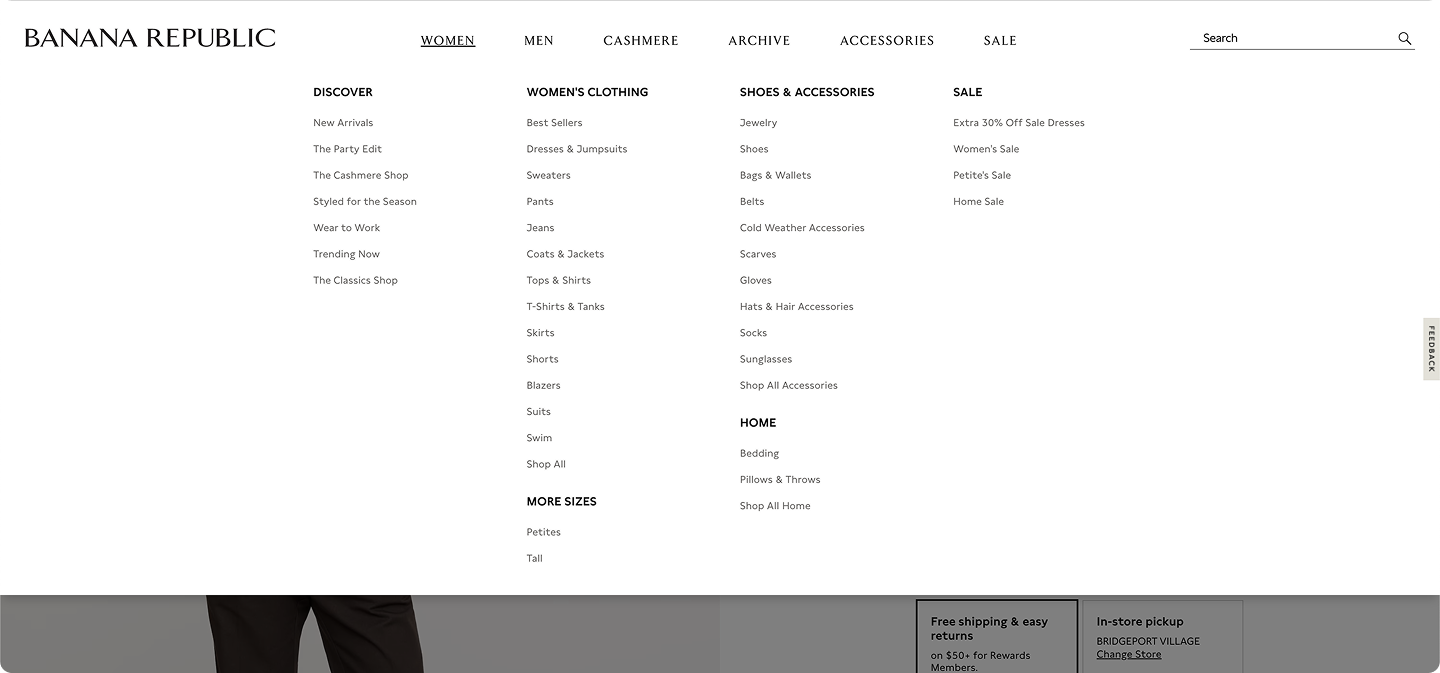
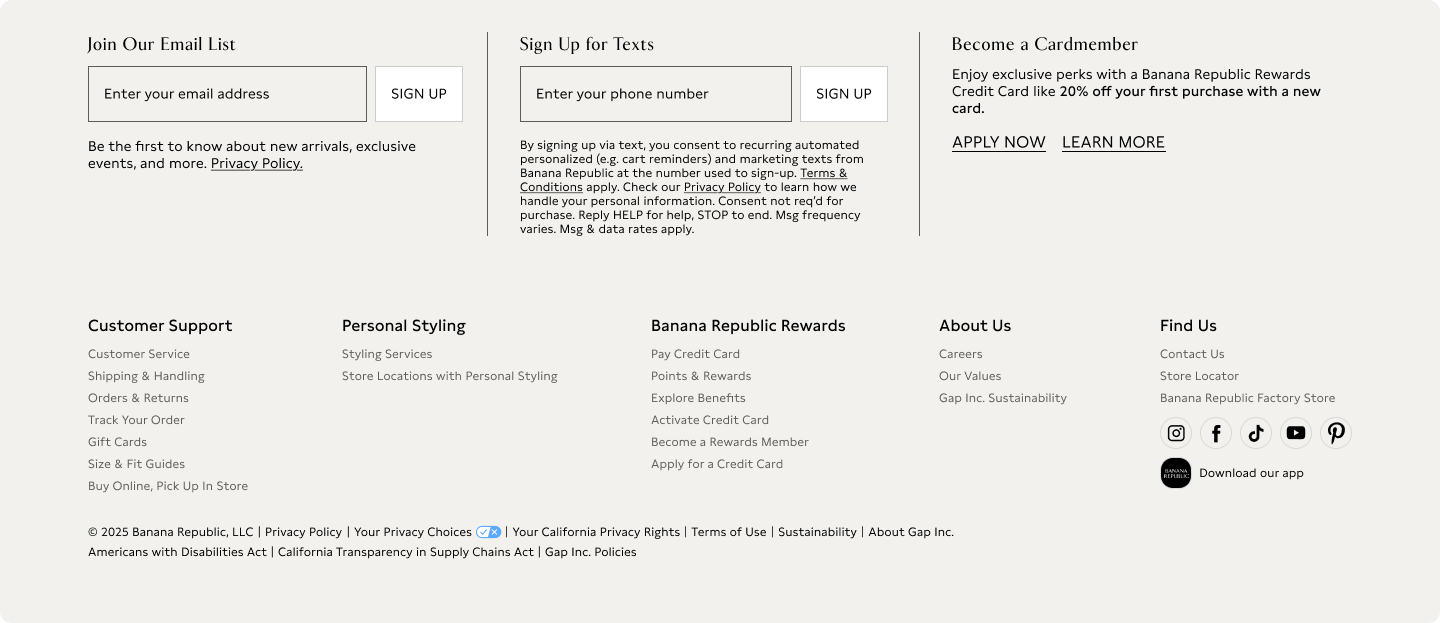
A resource for the modern explorer that seeks style inspiration & craftsmanship. We created an elevated experience for customers to discover products through outfitting & recommendations. Our information architecture was improved to simplify the navigation & footer layouts.
Old Navy
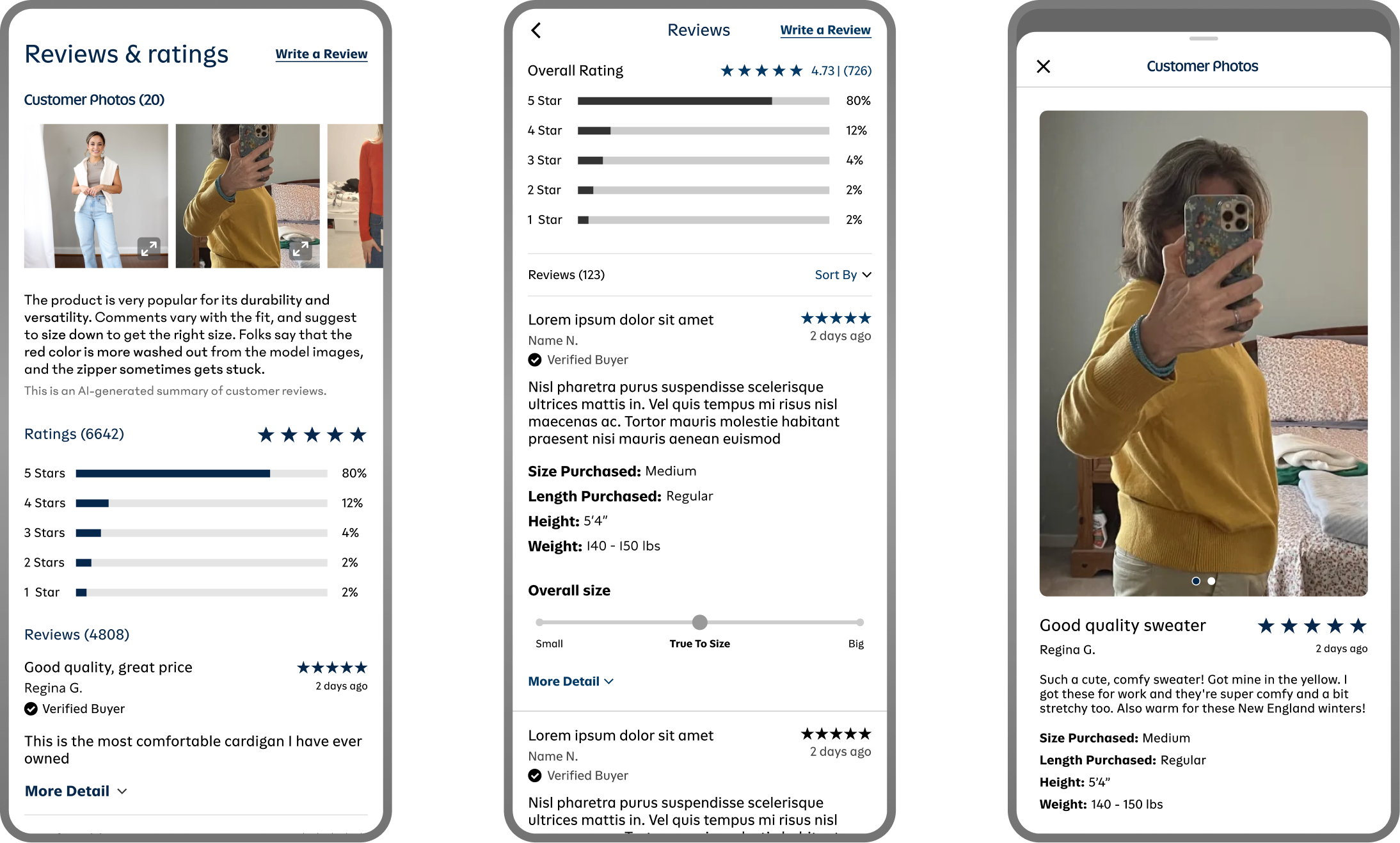
Customer reviews and interactions were redesigned to build trust & directly influence buying decisions. Old Navy customers seek valuable product feedback.
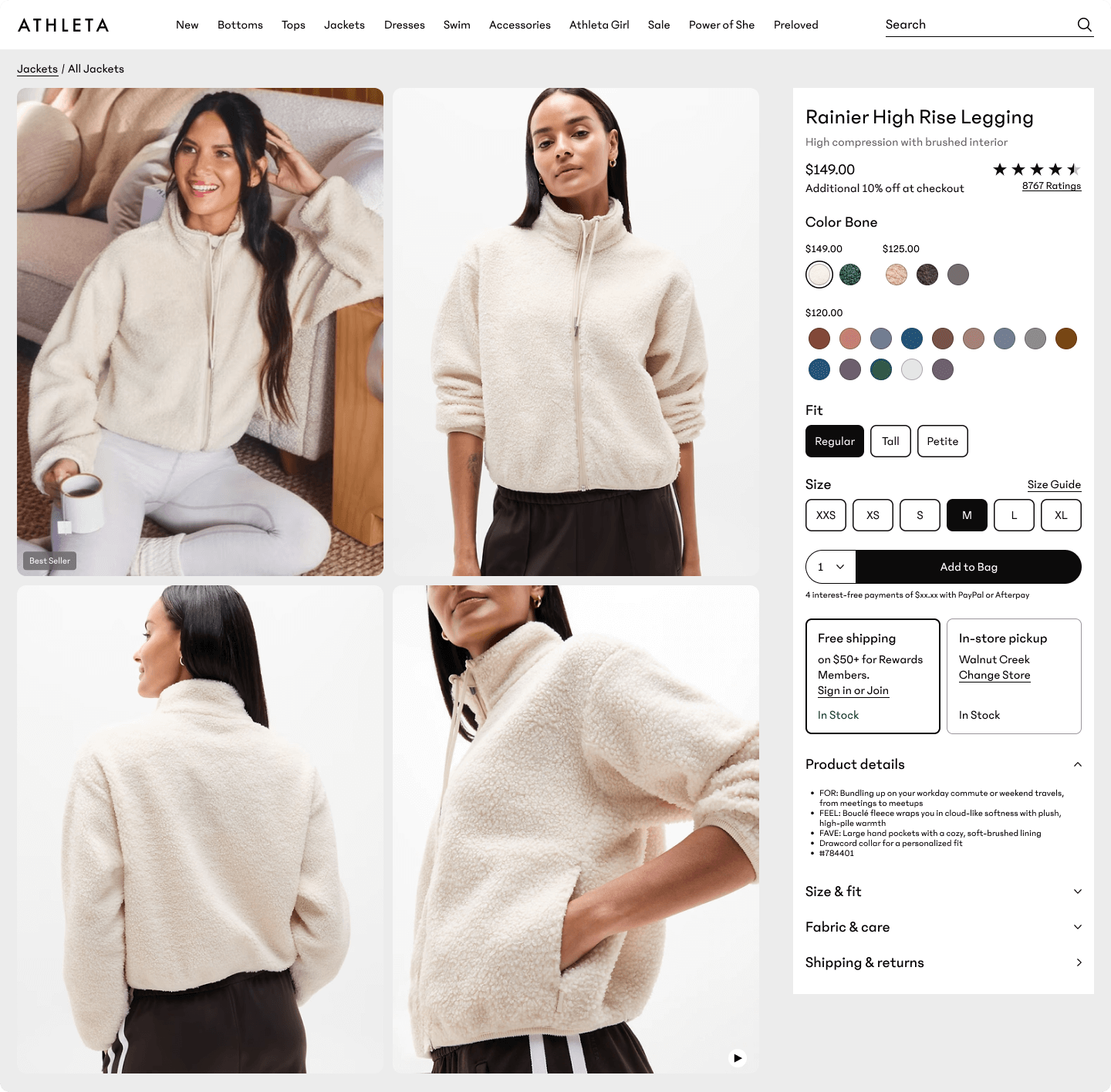
Athleta
Focus on personalization and fit for the athletic competitor. We refined product details and sizing information to ensure they are more accessible and easier to understand.
Navigation
Learnings
This work shifted my focus from designing individual screens to building decision systems that scale across teams, products, and outcomes far beyond a single category.
I evolved my process to support four distinct brand ecosystems in parallel, which pushed my design strategy and efficiency at scale and ultimately made me a stronger, faster operator in complex environments.