Problem
Data revealed that 24% of users shop across brands which drove 48% of total sales. User expectations broke down at conversion critical moments. Relearning different design patterns across sites created confusion and frustration, leading to abandonment.
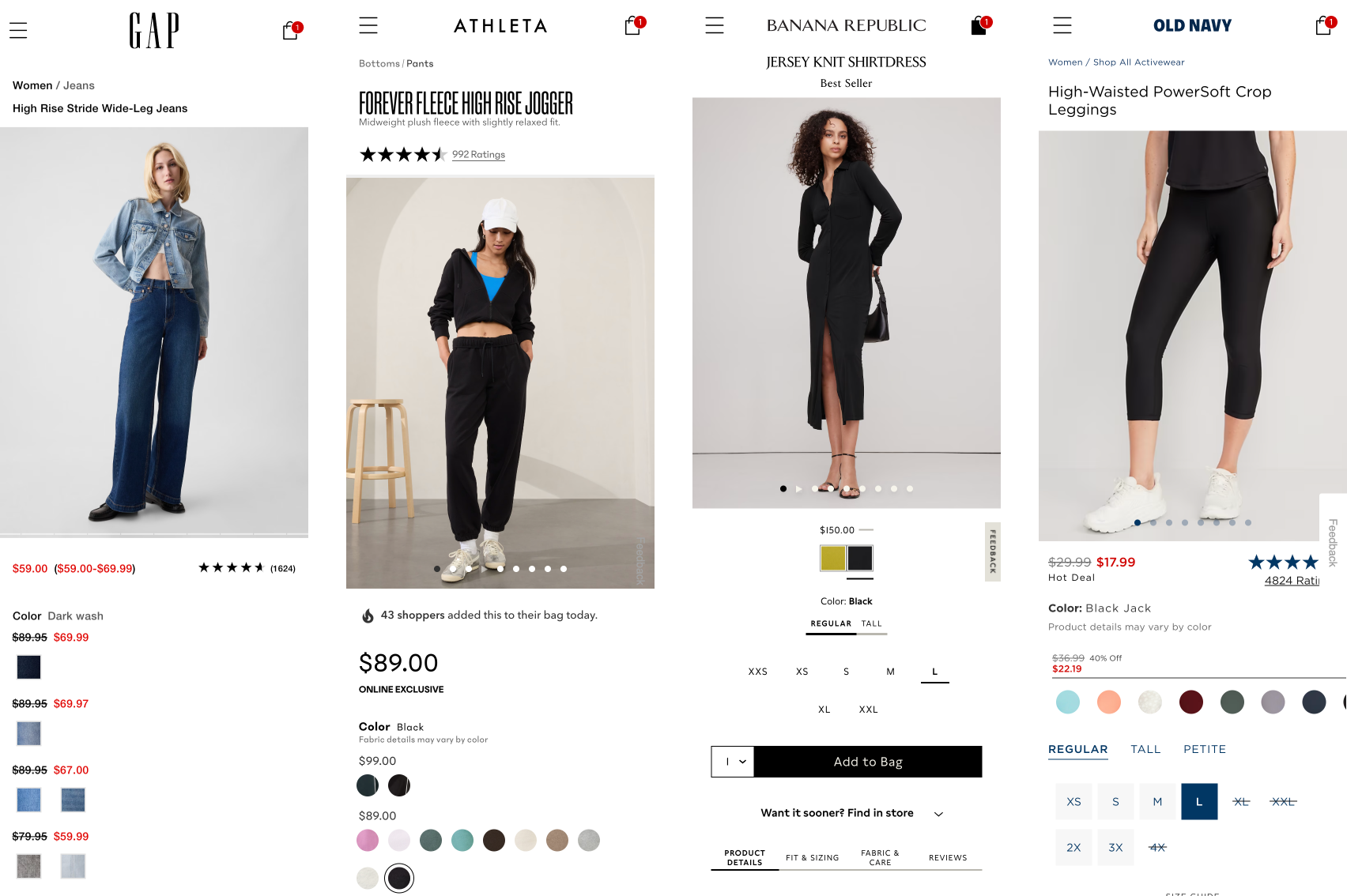
Inconsistent legacy designs
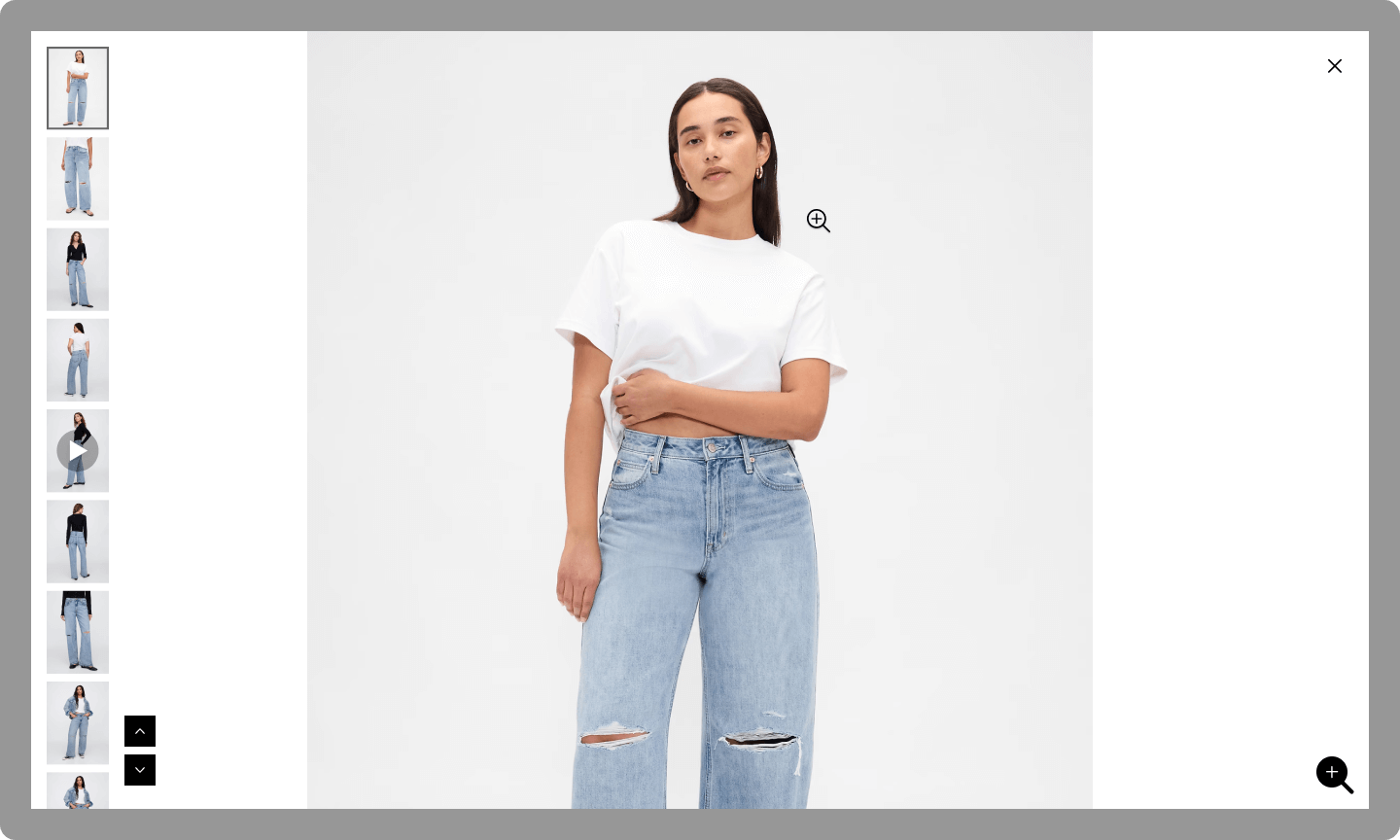
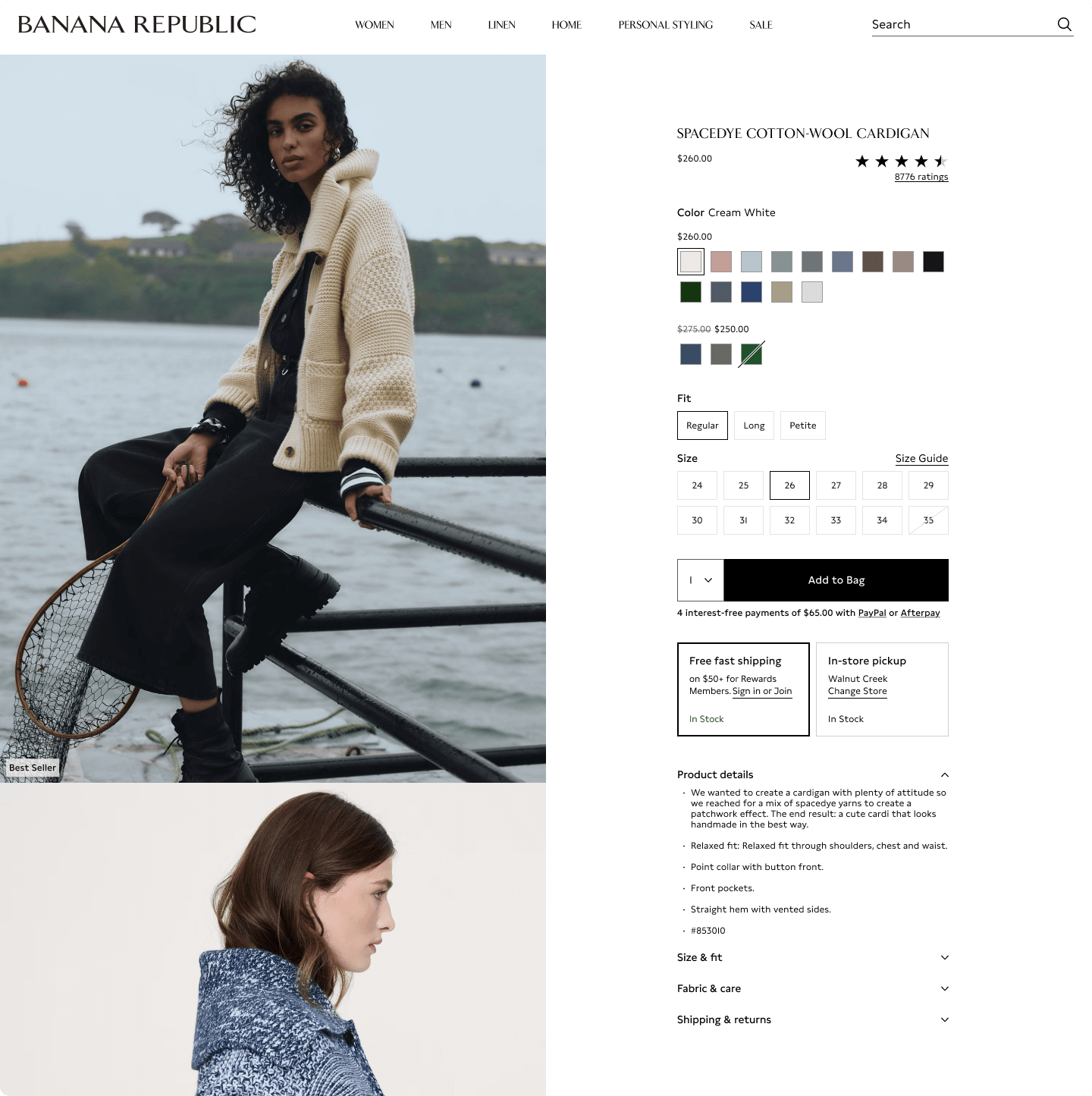
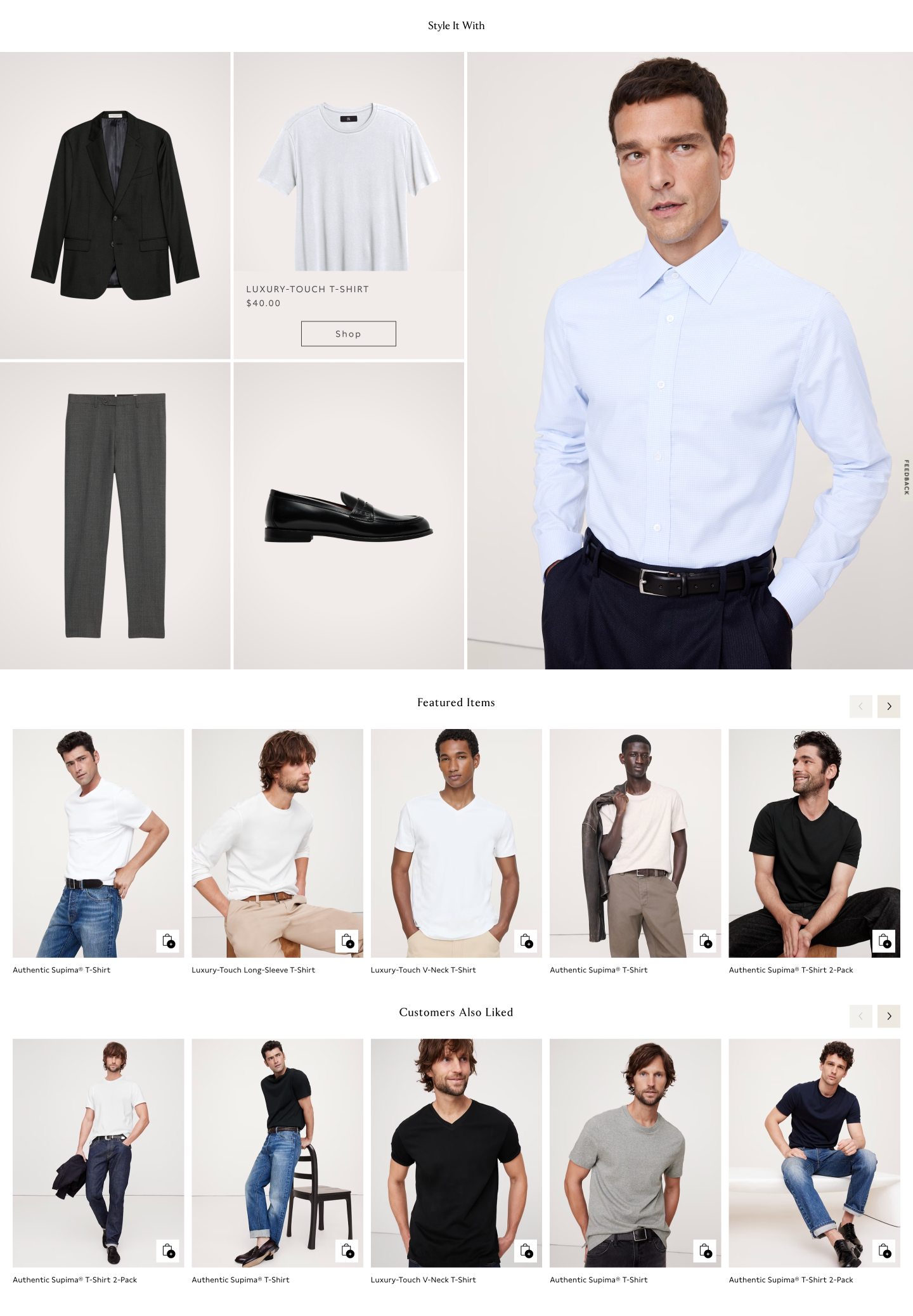
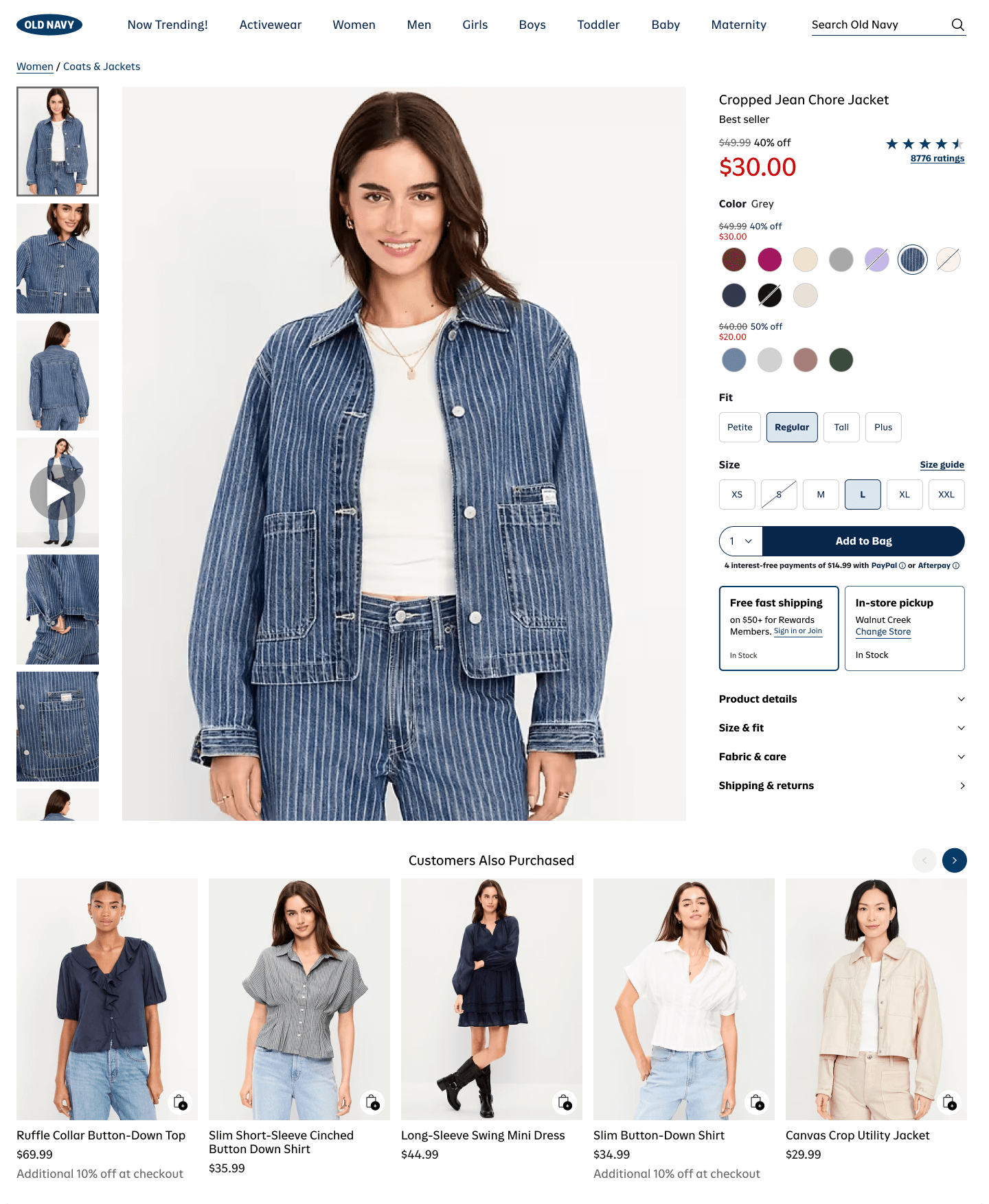
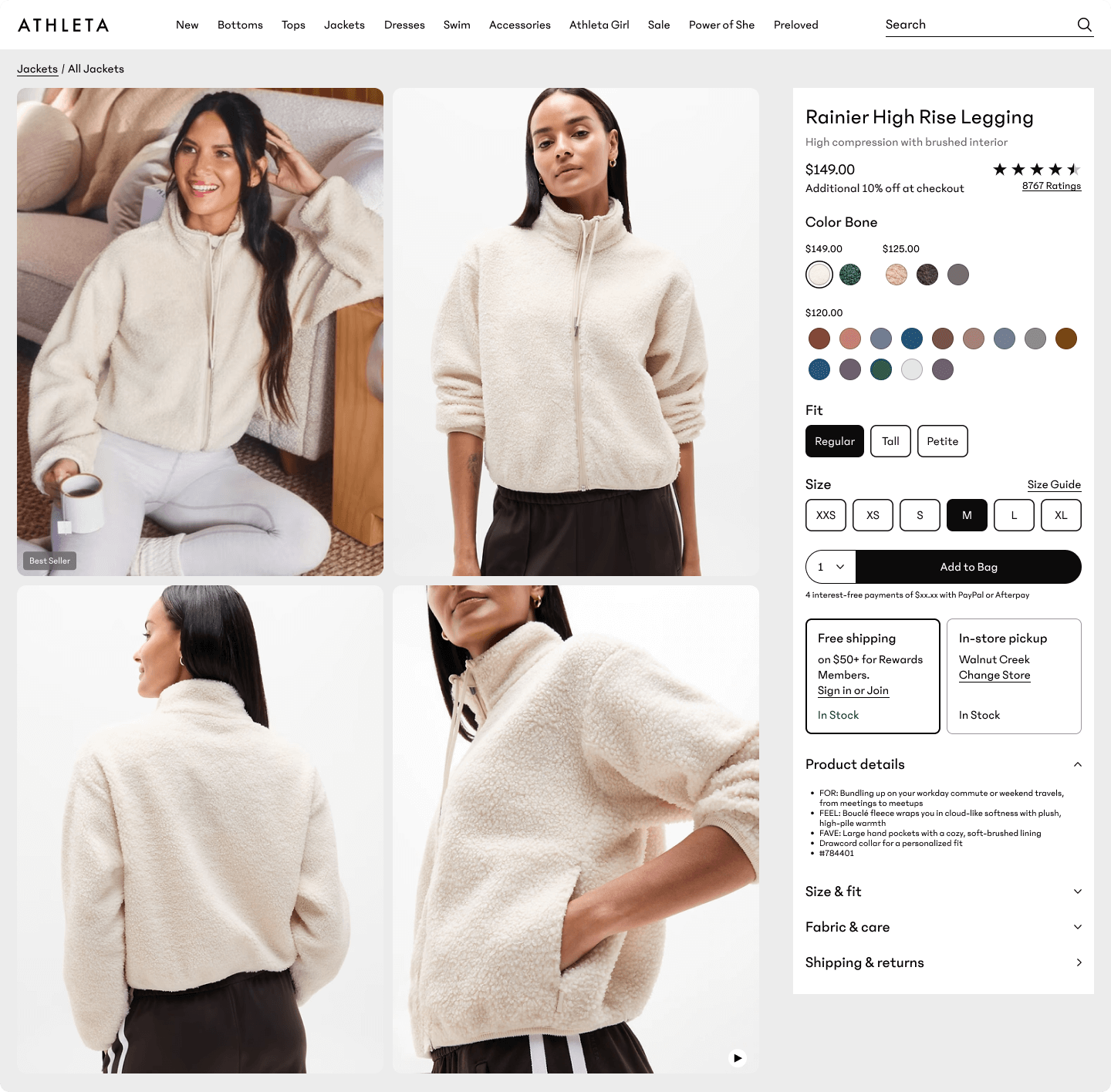
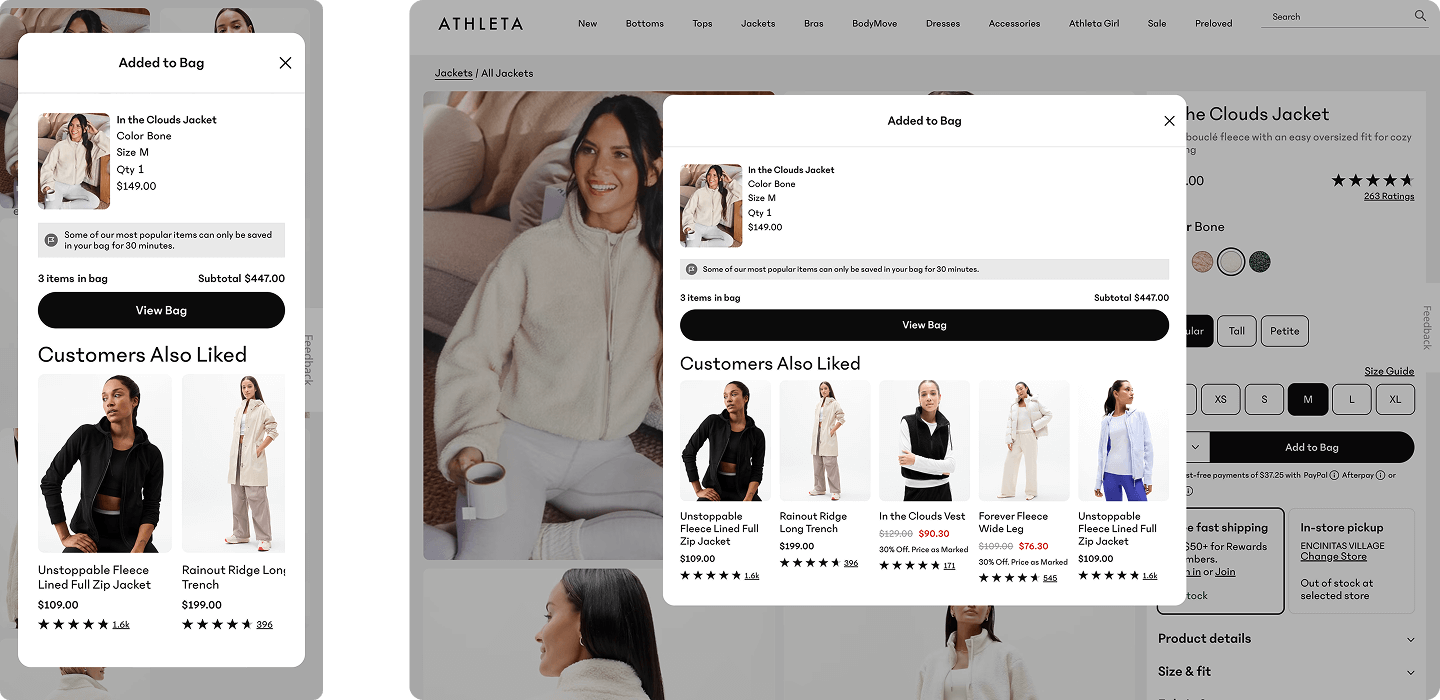
We conducted an in-depth audit of all components to improve accessibility and interaction logic that would be shared across all product areas. Customer feedback and data provided key insights for our iterative design process. The goal was to consolidate design elements, patterns, and behavior while also allowing brands to customize to support their customer needs.
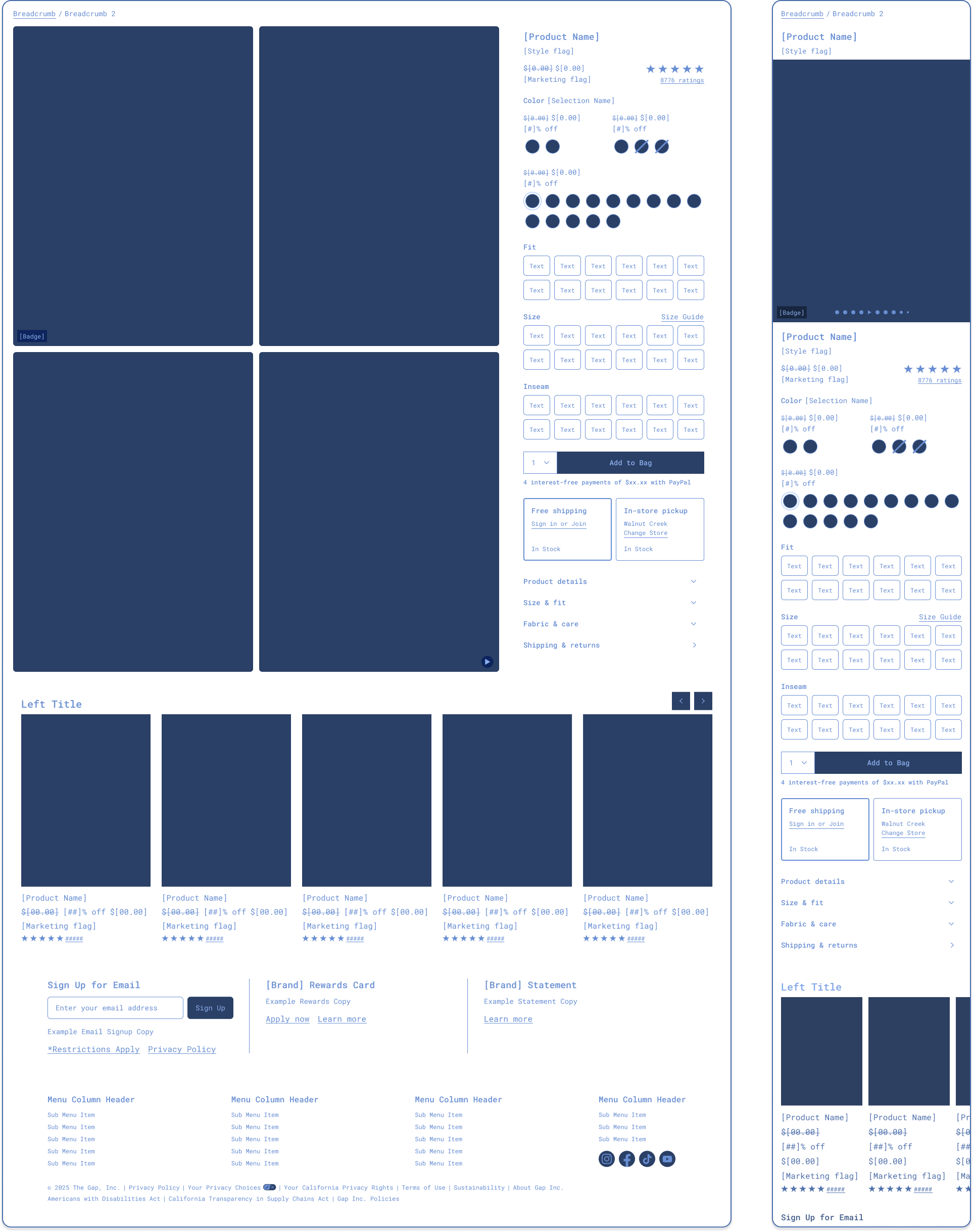
The PDP is a template that established the foundational UI for adjacent areas including product listing pages, account management & cart/checkout for a cohesive shopping experience. The PDP is the critical focal point of how components were defined.

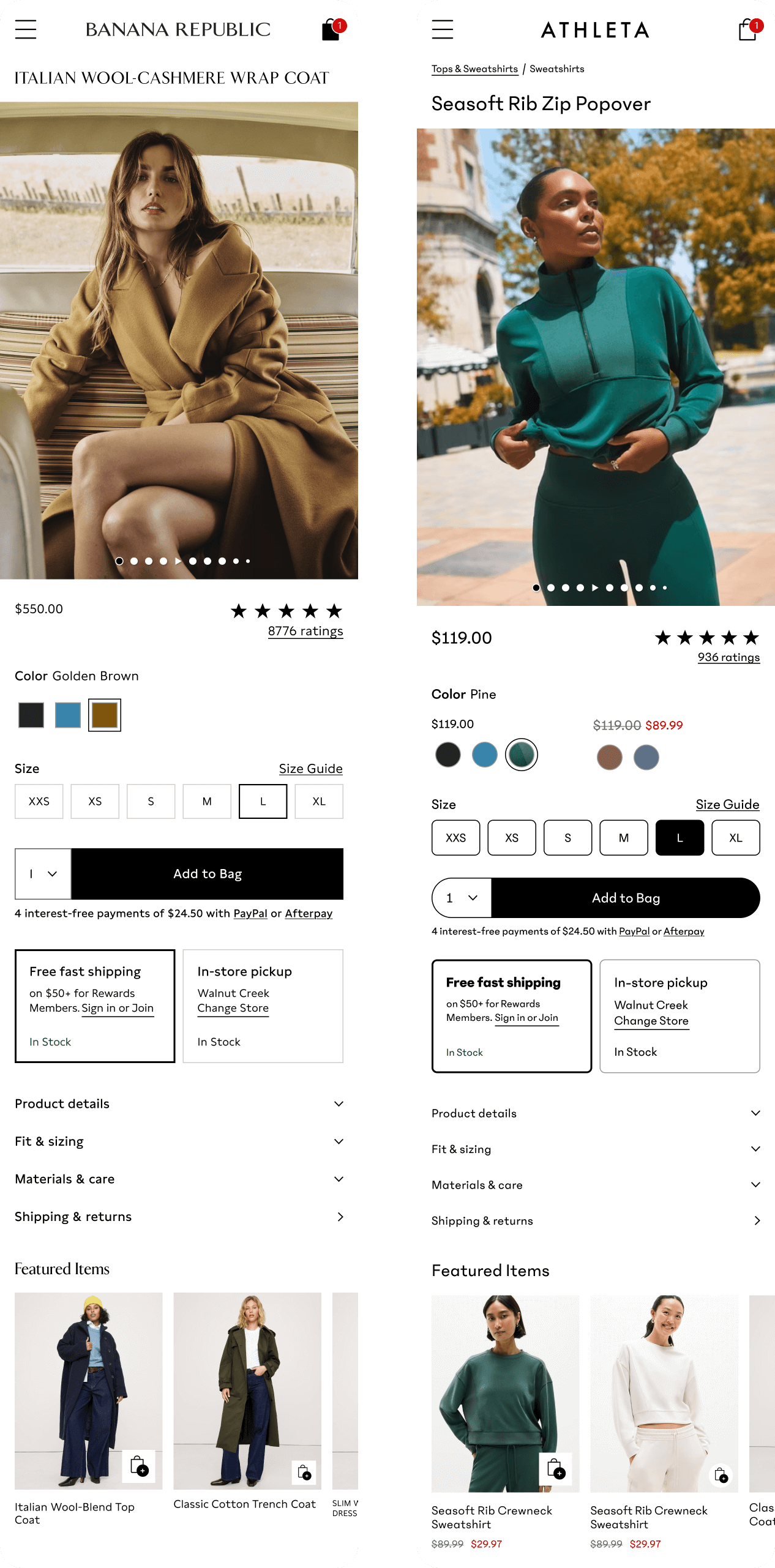
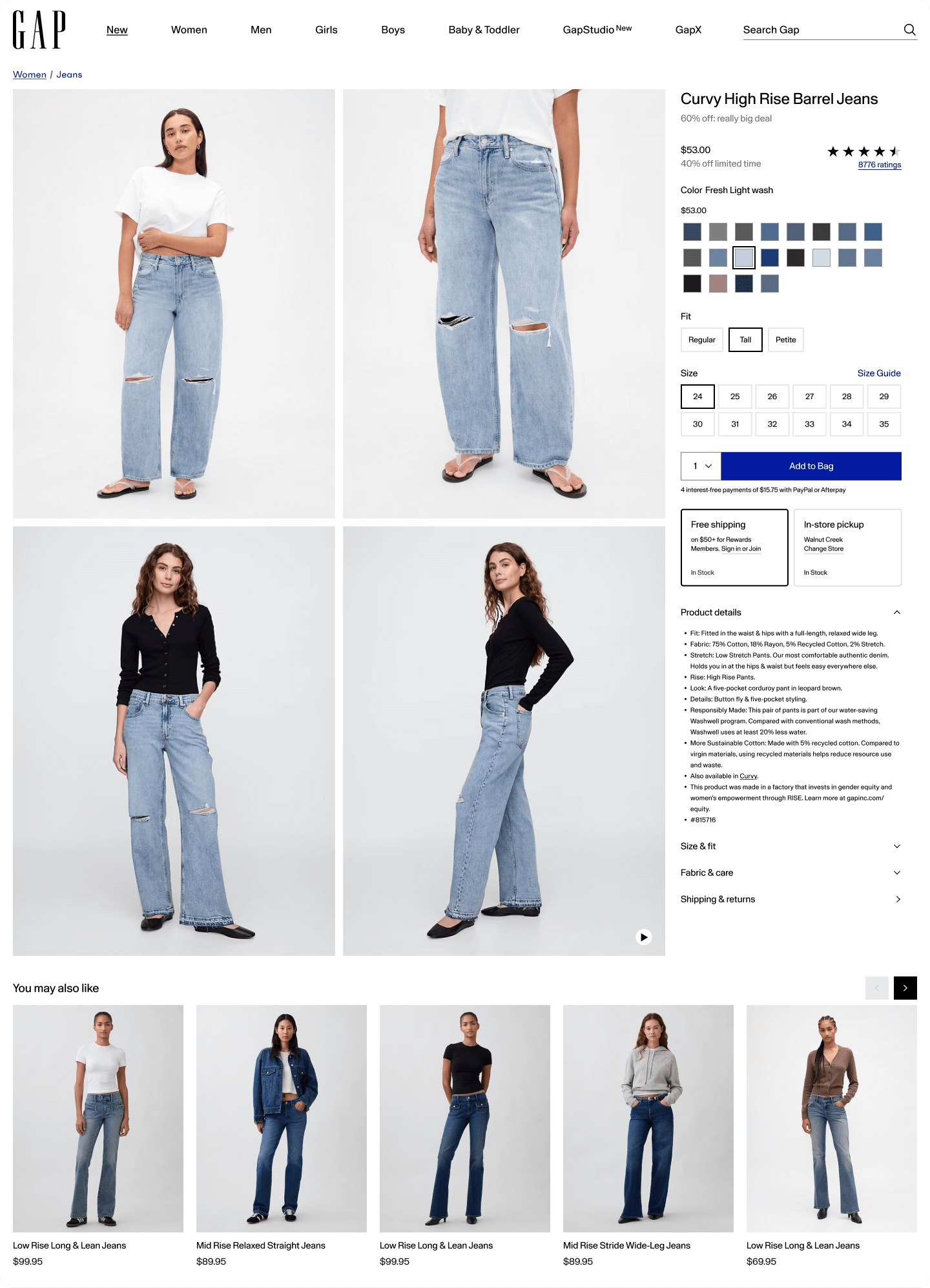



Learnings
This work expanded my focus to building decision systems that scale across teams, products, and outcomes far beyond a single category. I evolved my process to support four distinct brand ecosystems in parallel, which pushed my design strategy and efficiency at scale and ultimately made me a stronger, faster operator in complex environments.